Tilia Baratta | Illustration

Works in analog and digital media

Menu

Skip to content
  • Welcome
  • Illustration
  • Digital
  • Posts
  • Tilia’s Return the Favor Gold Project

Tilia’s Return the Favor Gold Project

Click here to sign up for one of my Horseshoe Crab walks!

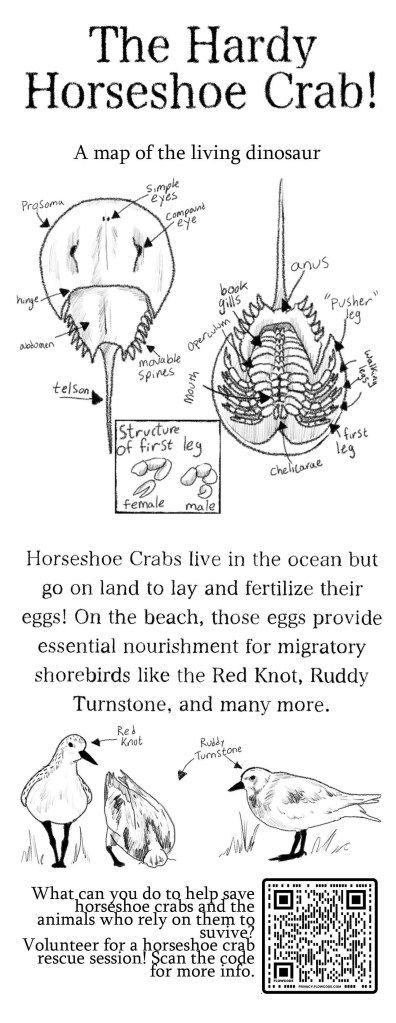
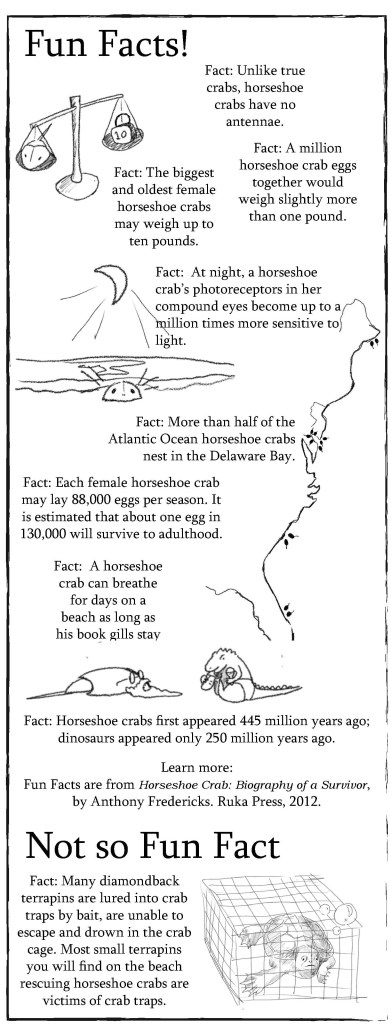
Above: handout designed for volunteer use


About this Project

This project was the focus of my Girl Scout Gold Project. I completed the project in 2022 and will be awarded the Gold Award in June, 2023. I want to thank RTF NJ, the organizers of the Downe Township Horseshoe Crab Festival, the many volunteers who made the trip down to the beaches of Cumberland County, NJ and my parents for supporting this project. I couldn’t have completed the project and we wouldn’t have rescued so many horseshoe crabs (over two thousand!) without the help and support of all involved. I’m sure the crabs appreciate the support, too.

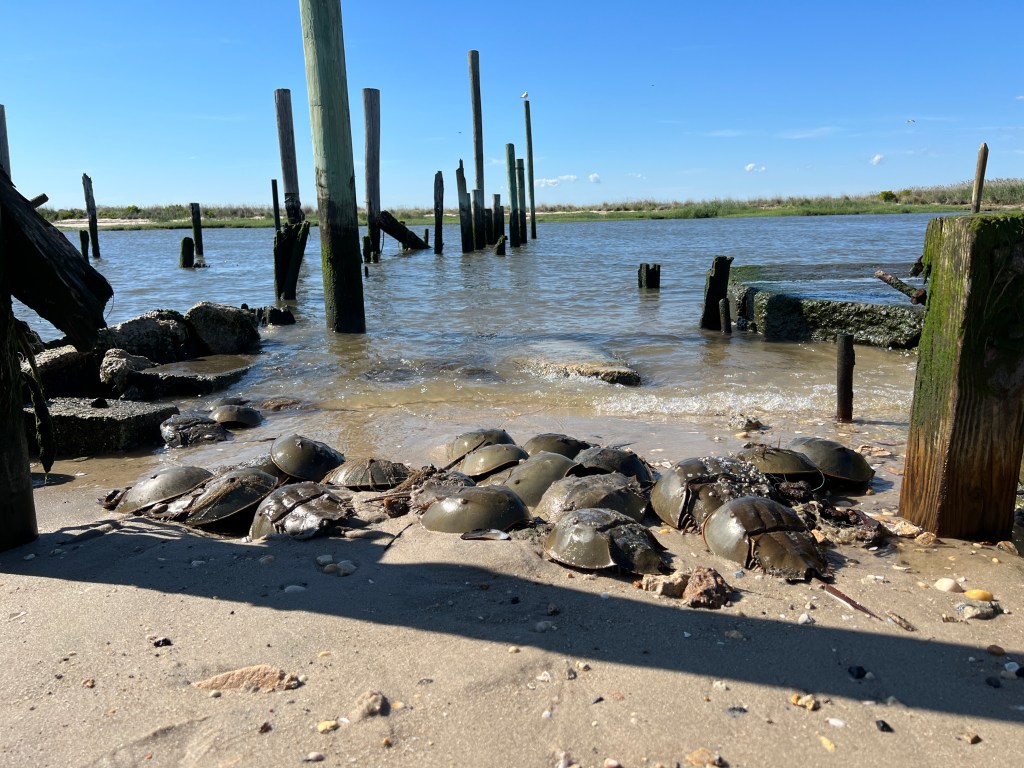
On the beaches of Fortescue there is man-made rubble everywhere. Horseshoe crabs (Limulus polyphemus) leave the sea to congregate on the beaches of the Delaware Bay expecting to mate and lay eggs, but instead often get flipped by the tide, caught on rubble and other obstacles (called impingements), and many die as a result. This unnatural loss of Horseshoe crab life disrupts the lives of other Delaware Bay animals, such as shorebirds like the Red Knot, who rely on the horseshoe crab’s nutritious eggs for food on their thousands-mile migration.

The purpose of my project is not only to help with Horseshoe Crab rescue and data collection for conservation purposes, but also to educate others about the importance of biodiversity, the interconnection of environment and wildlife, and protecting wildlife from the impact of human development and other activities.


Return the Favor New Jersey

Mission

reTURN the Favor is a collaborative effort that enables organized volunteers to save horseshoe crabs stranded on New Jersey’s seasonally closed and open beaches

Program Goals

  1. Rescue stranded horseshoe crabs.
  2. Provide an organized way to rescue horseshoe crabs on New Jersey’s closed beaches.
  3. Increase awareness of horseshoe crabs, shorebirds and their management.
  4. Collect data and information on stranded crabs, potential hazards, and tagged crabs to aid in management and restoration

Rescue and Data Collection from My Project

More about Money Island and Fortescue Beach-https://returnthefavornj.org/wp-content/uploads/2022/04/beach-fact-sheet-fortescue-2022.pdf

More about Return The Favor NJ (RTF)- https://returnthefavornj.org/

Dig in to rescue data here-https://experience.arcgis.com/experience/7c462b6478ad4114b22812f74ffac8b5


Gold Project Photo Gallery

Horseshoe crab impinged on rubble.
stones and horseshoe crab
Horseshoe crab impinged under rubble against seawall.
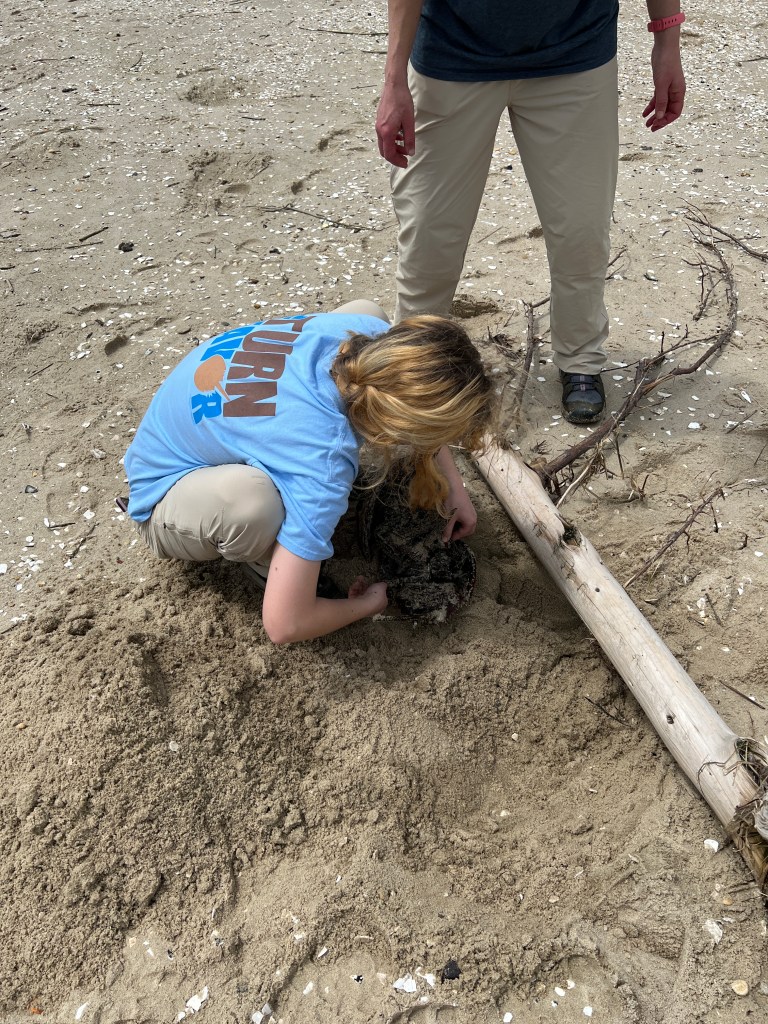
Woman removing horseshoe crab from under a tree.
This Horseshoe crab was impinged under a tree.
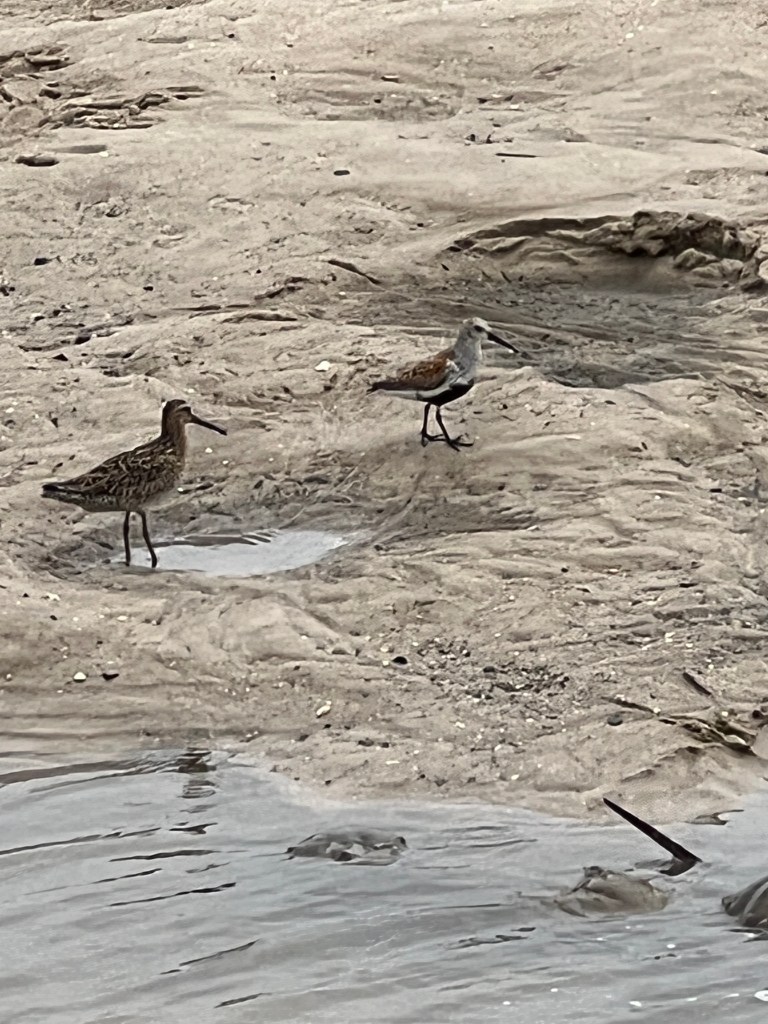
Shorebirds on beach with horseshoe crabs nearby. Many migratory and resident shorebirds feed on horseshoe crab eggs during late spring/early summer.
Shorebirds and horseshoe crabs.
Upside down horseshoe crab on beach. Horseshoe crabs are often brought in on the tides and can be flipped upside down during the movement of tide waters. They can be left on their back and need assistance by a flip.
Horseshoe Crab flipped on beach.
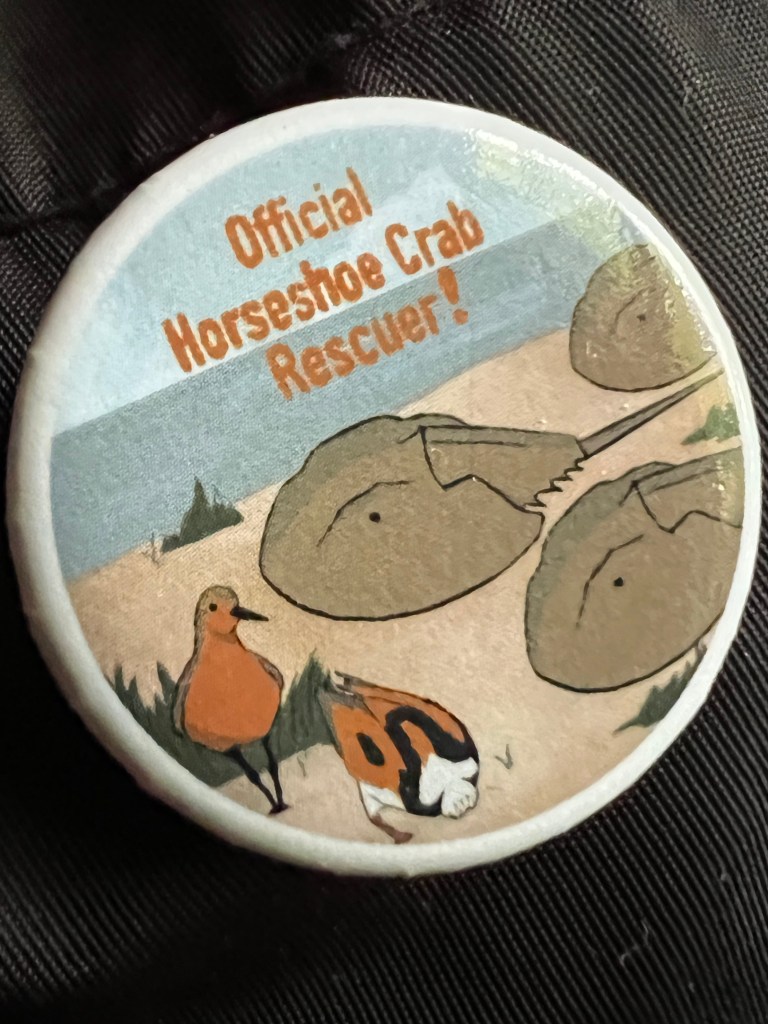
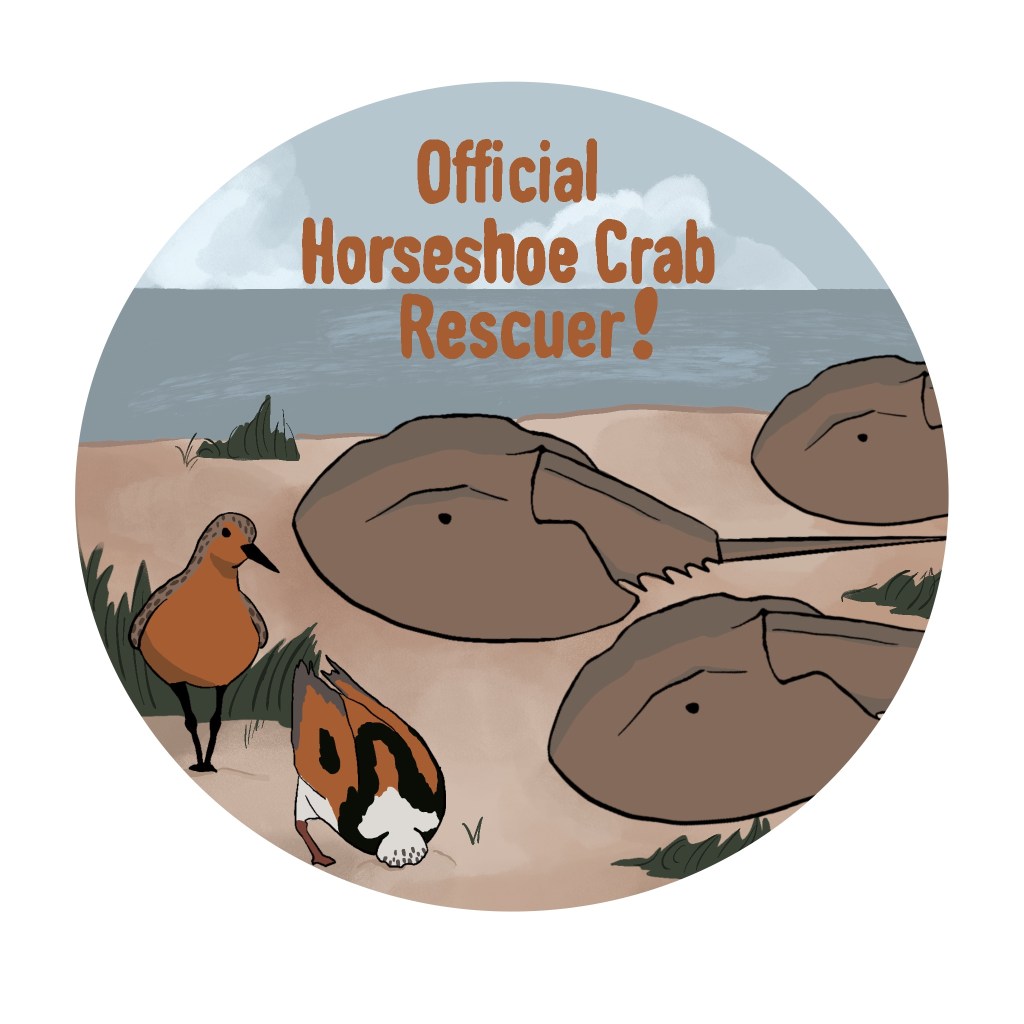
button
The button I designed to reward volunteers for their efforts.
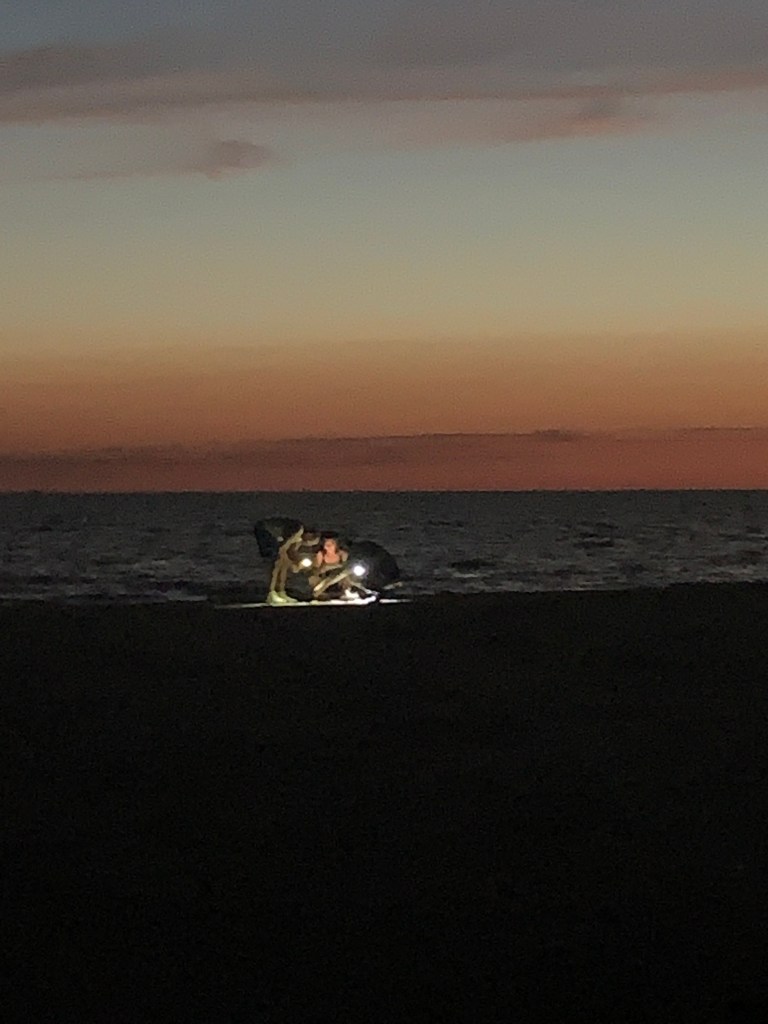
People on beach at dusk
Horseshoe crab rescue at dusk.
Woman working around stones.
Me removing horseshoe crabs from under stones against seawall.
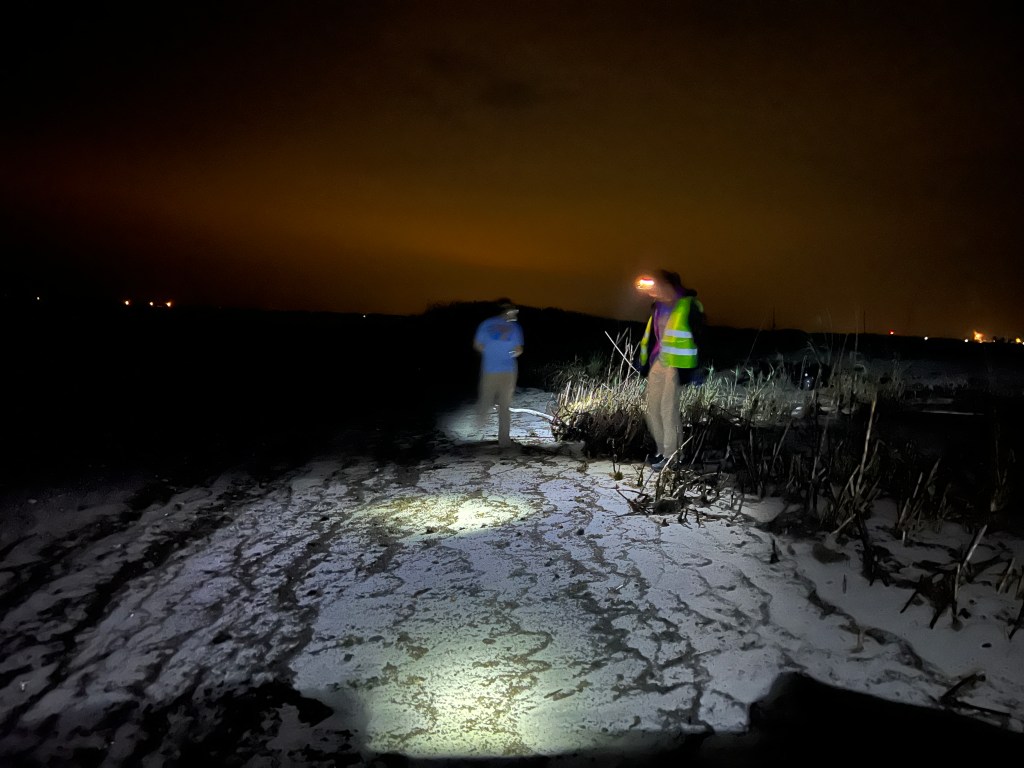
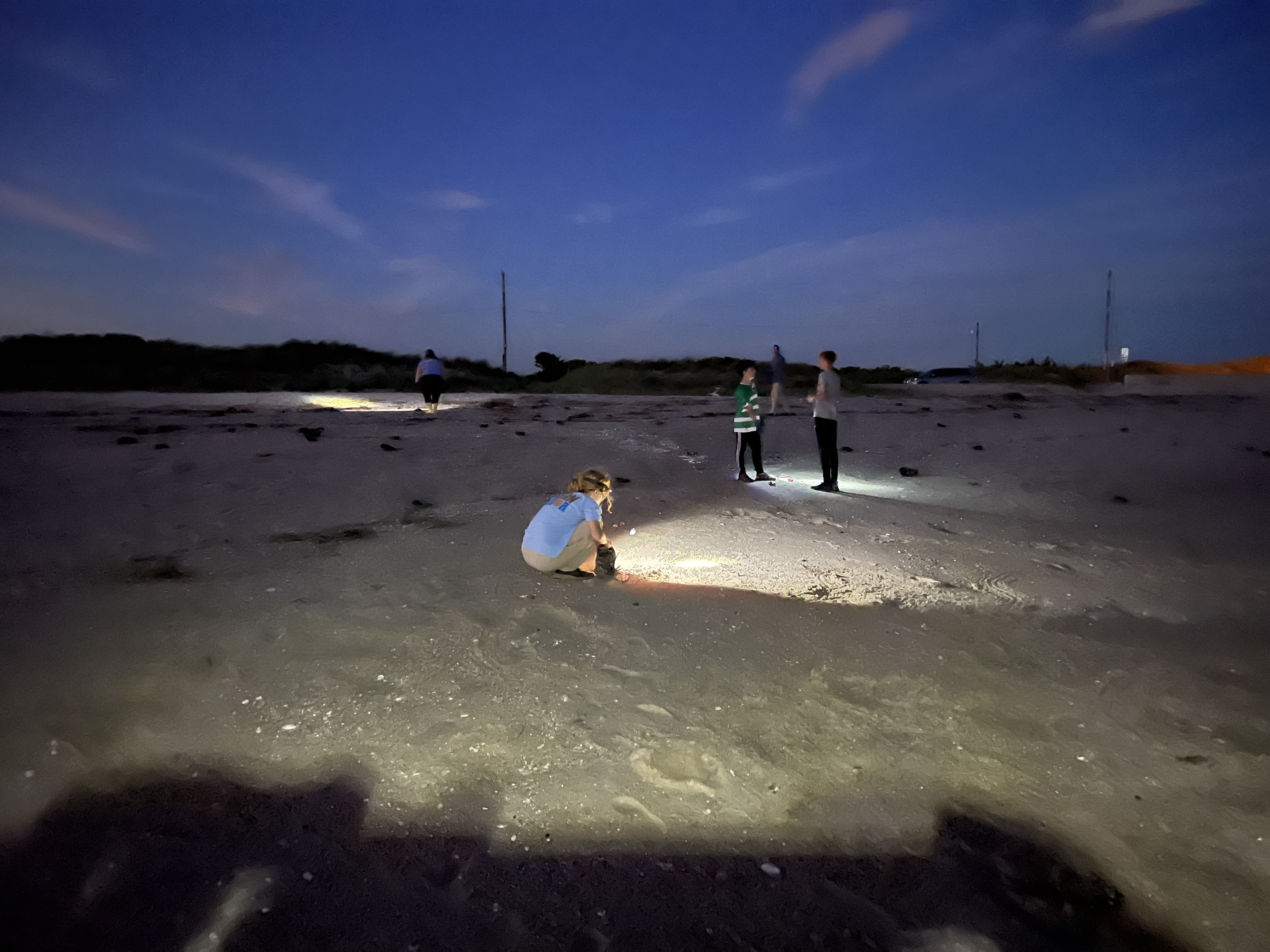
People on beach at night with headlamps
Headlamps assist with finding impinged HSCs and recording field data at night.
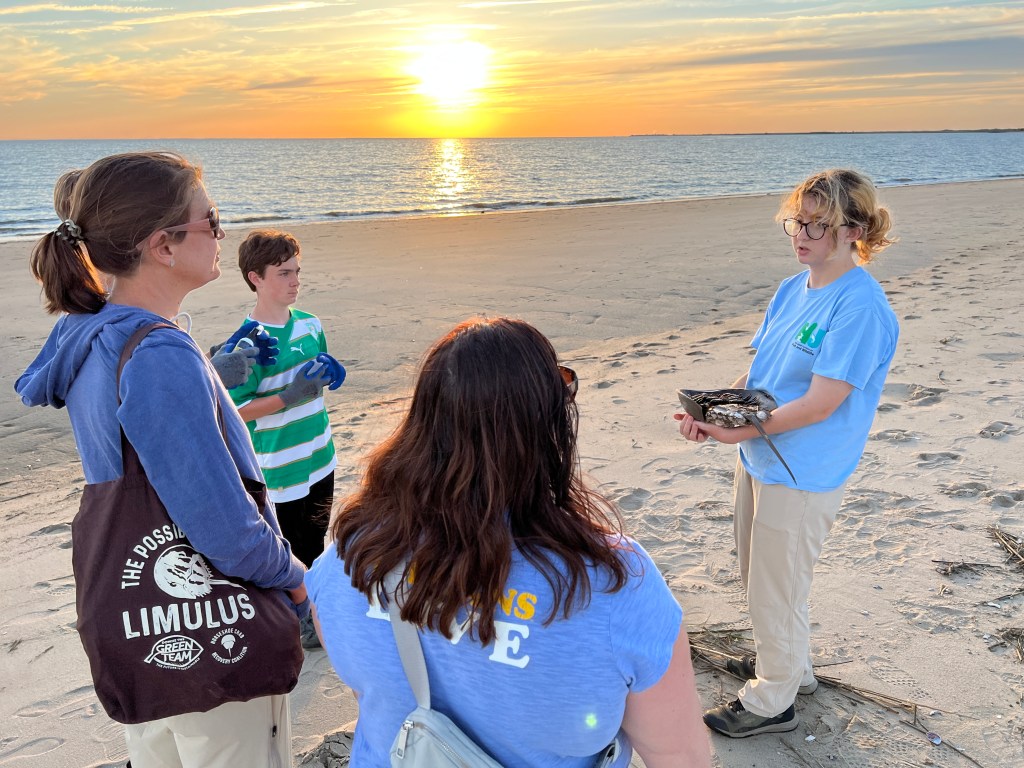
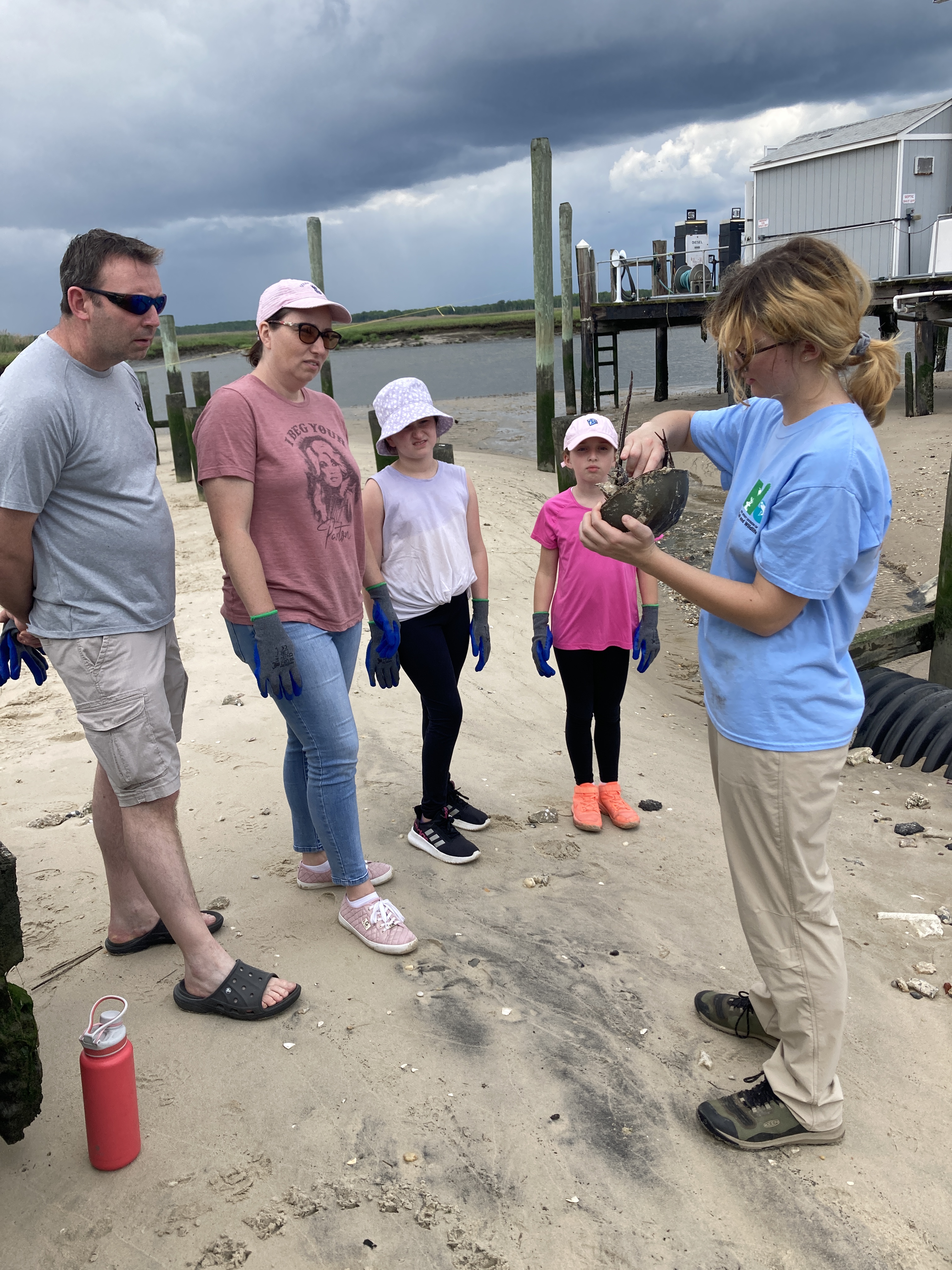
People talking on beach
Introducing volunteers to horseshoe crab anatomy.
People walking on beach
Leading walk and collecting HSC data.
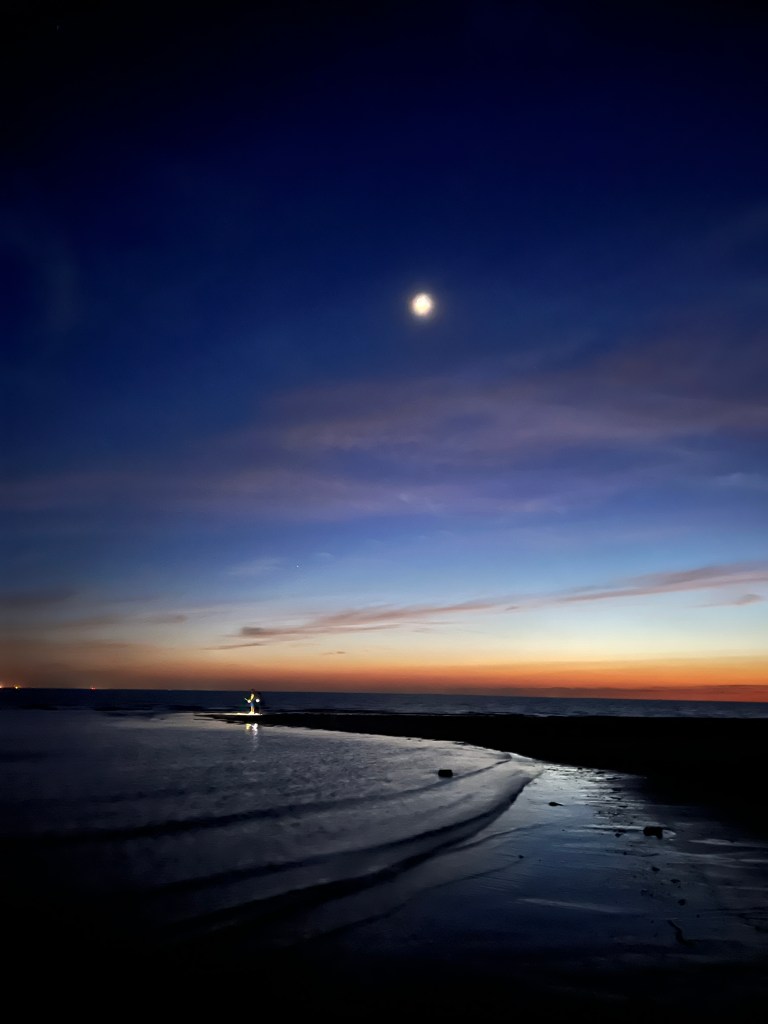
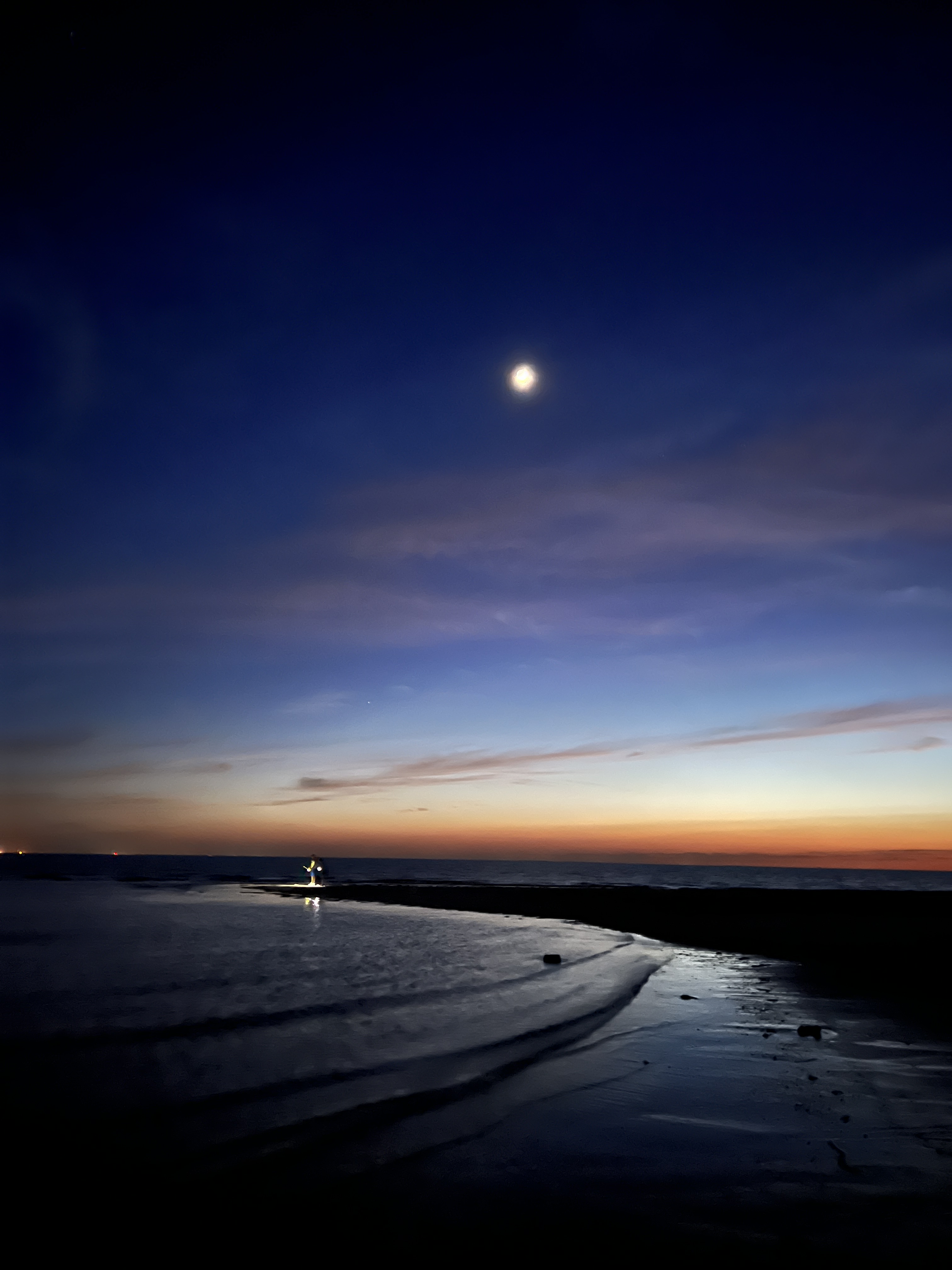
Person at distance on evening beach with moon overhead.
Evening walks on the Delaware Bay in Fortescue, NJ.
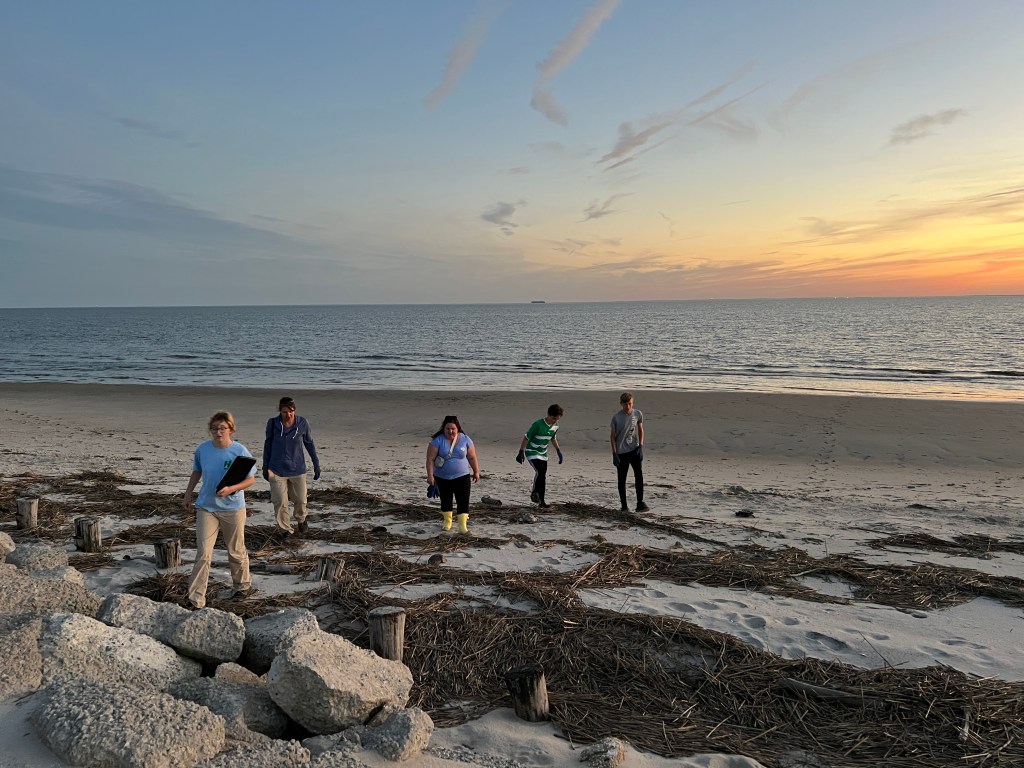
People walking on beach and rubble.
Leading a walk around man-made rubble and other debris.
Horseshoe crab group on beach.
Spawning horseshoe crabs on Delaware Bay beach.
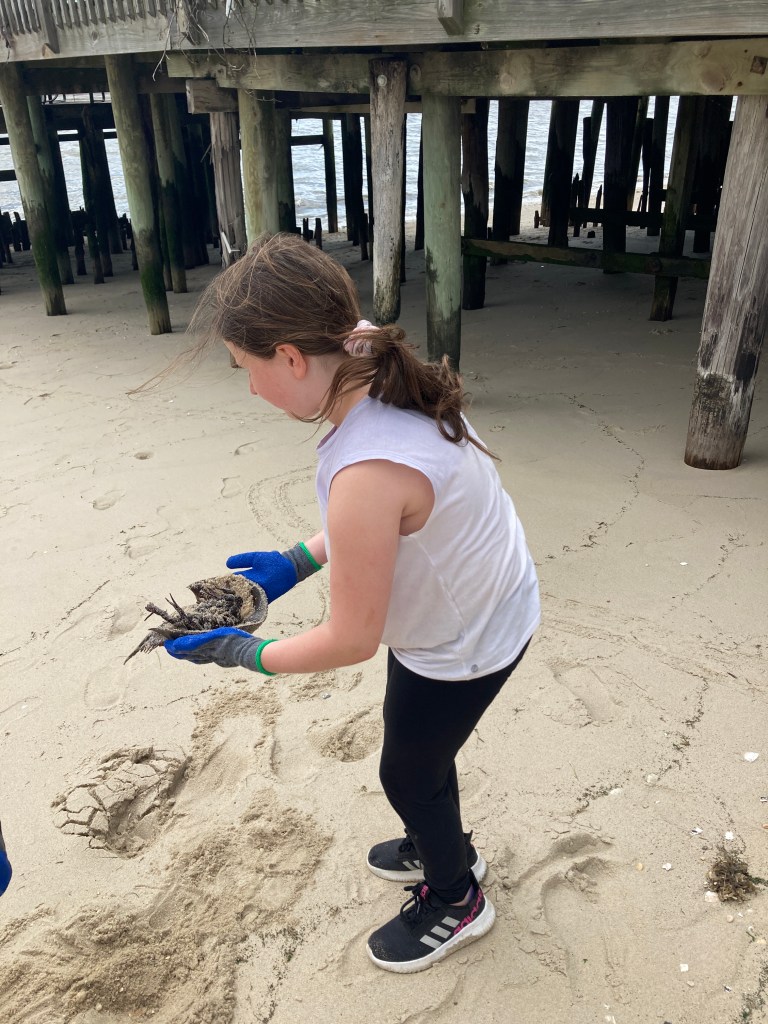
Girl holding horseshoe crab
A volunteer moves a flipped male horseshoe crab to the water.
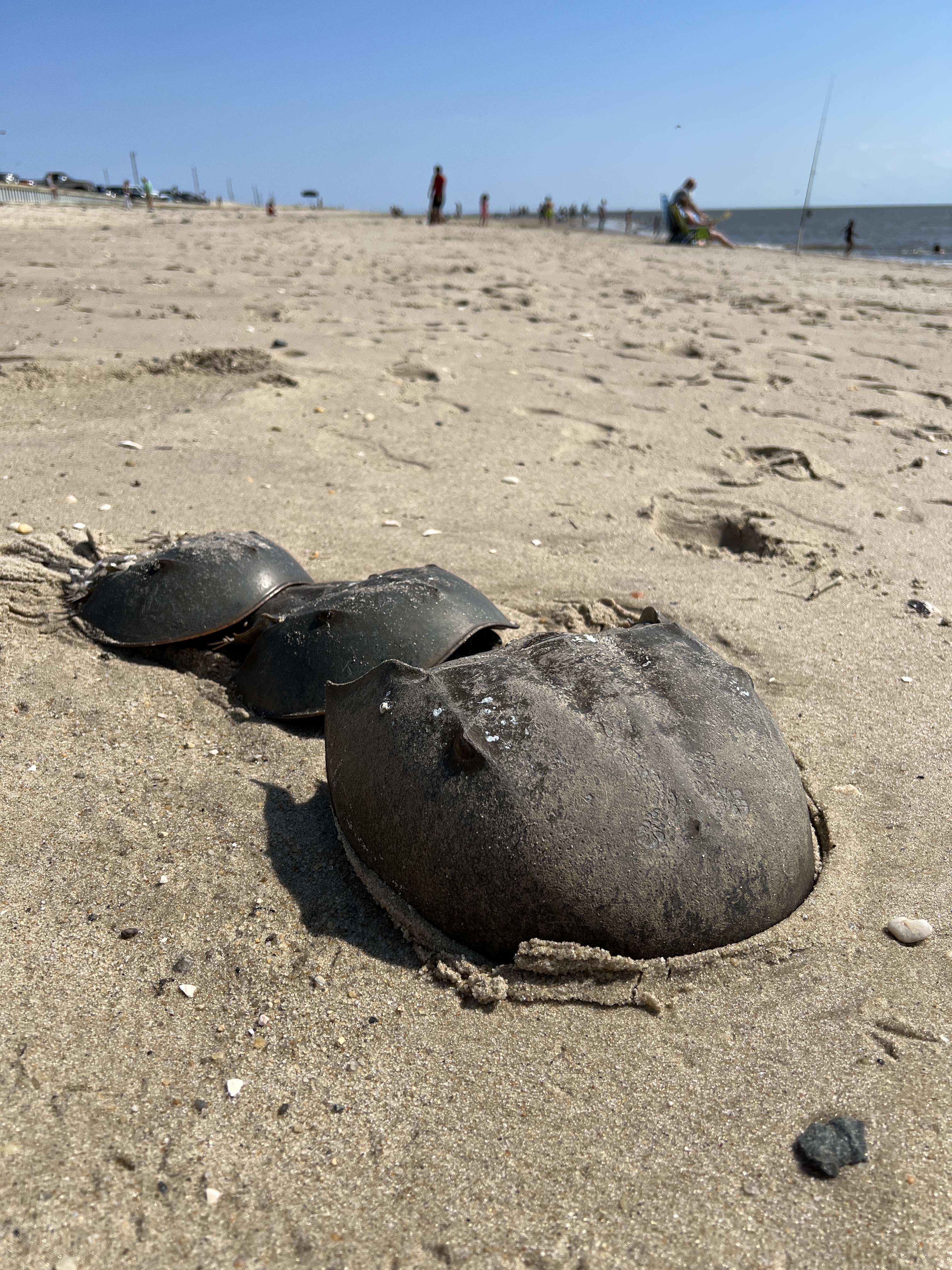
Mating horseshoe crabs on beach
Mating horseshoe crabs on a busy Fortescue beach. Smaller males clasp on the back of larger females and the groups dig down into the sand. Males fertilize eggs as they are deposited in sand by females. It is common for eggs of a female to be fertilized by multiple males.
people on beach at night
Evening rescue and data collection with volunteers.
Early evening along Delaware Bay coast with moon
Rescue and data collection walks are scheduled around the movement of tides, which bring horseshoe crabs to the beach. Tides happen throughout the day and night.
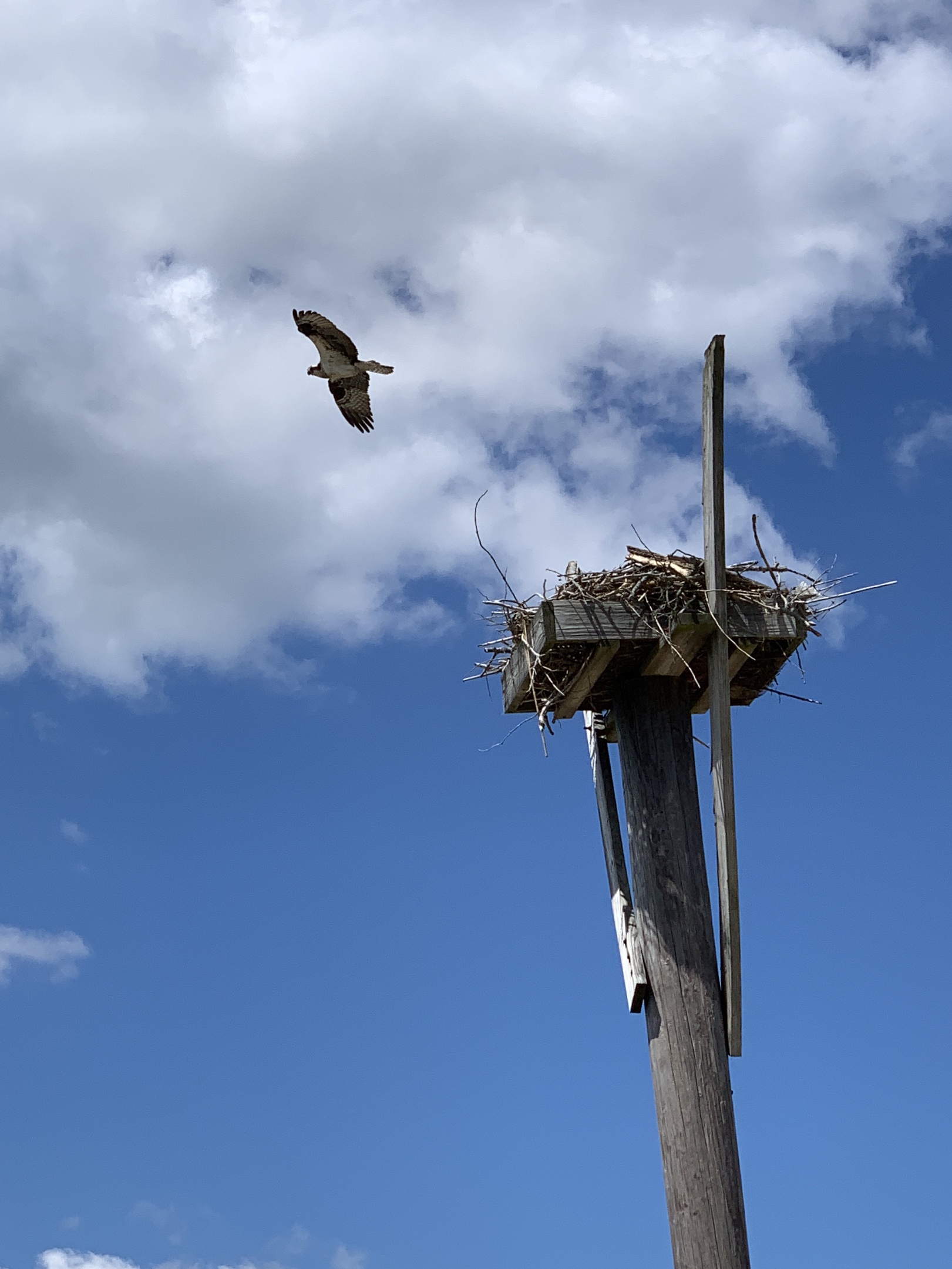
Osprey flying near nest
Osprey nest at Money Island Marina beach.
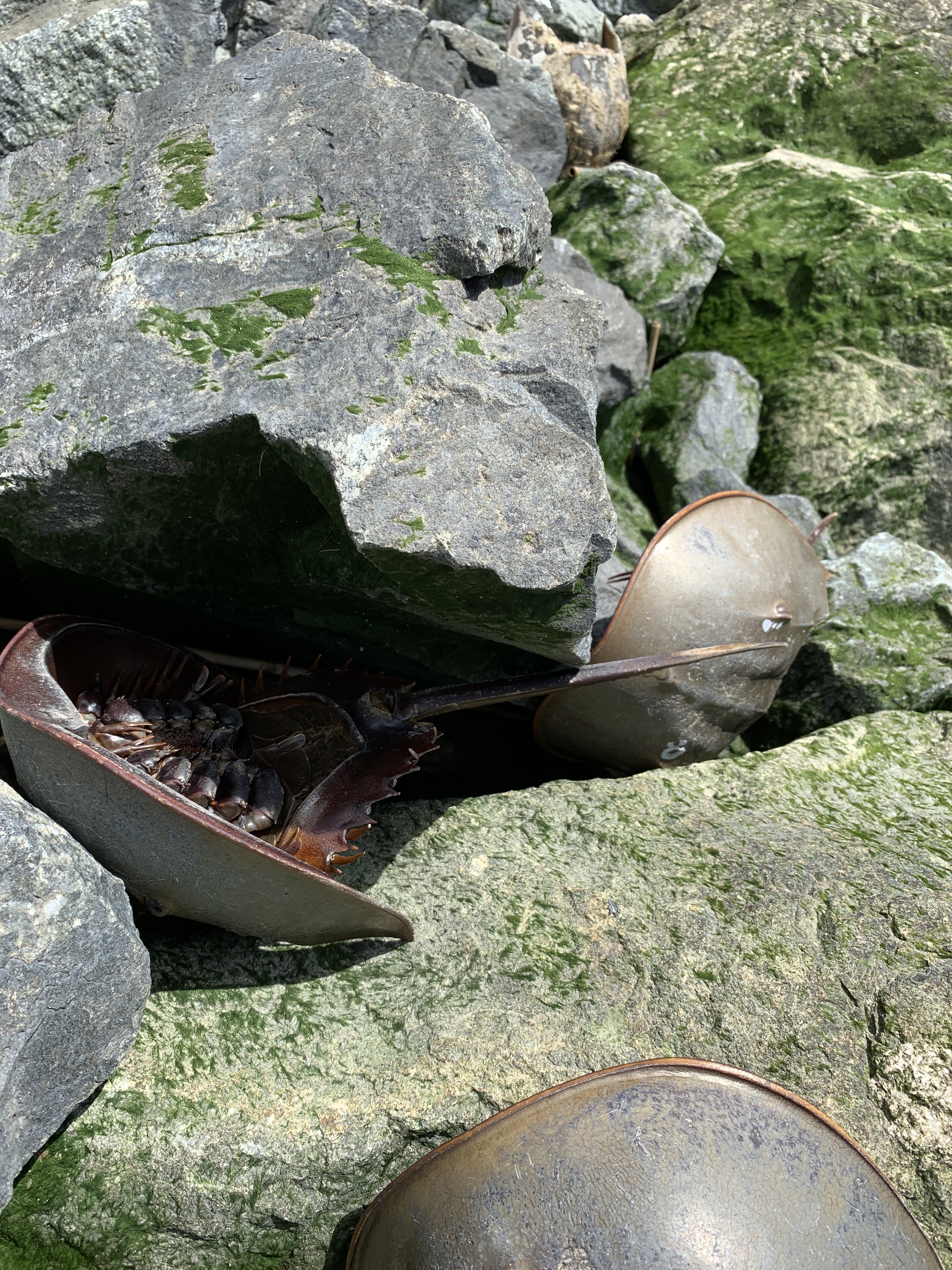
Horseshoe crabs and stones
Tides carry horseshoe crabs towards the large stones which are placed along sea walls at Fortescue beach and horseshoe crabs become lodged in the stones and can’t free themselves when the tide recedes.
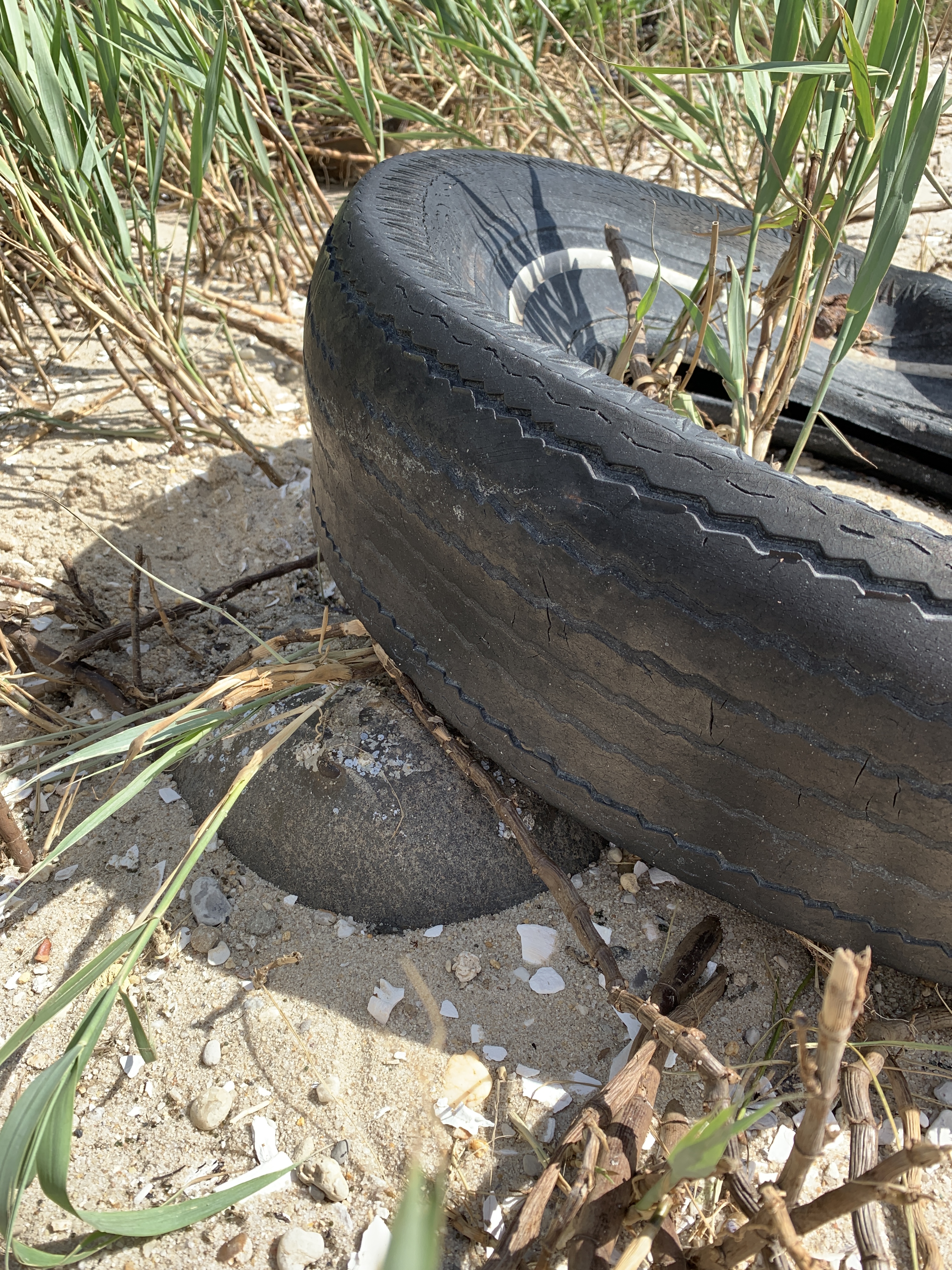
Car tire on top of horseshoe crab
Horseshoe crab stuck under a tire that was left on the beach.
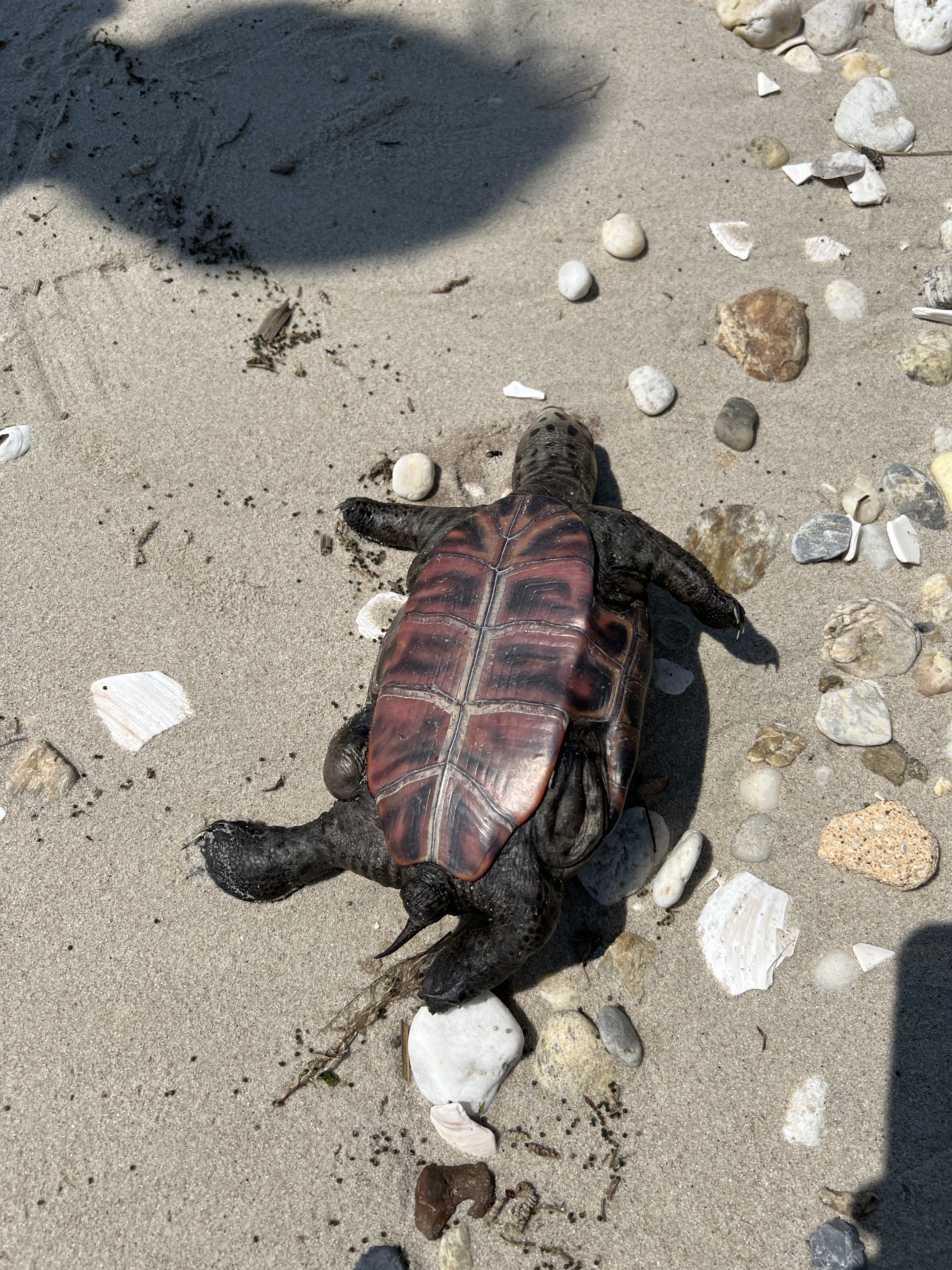
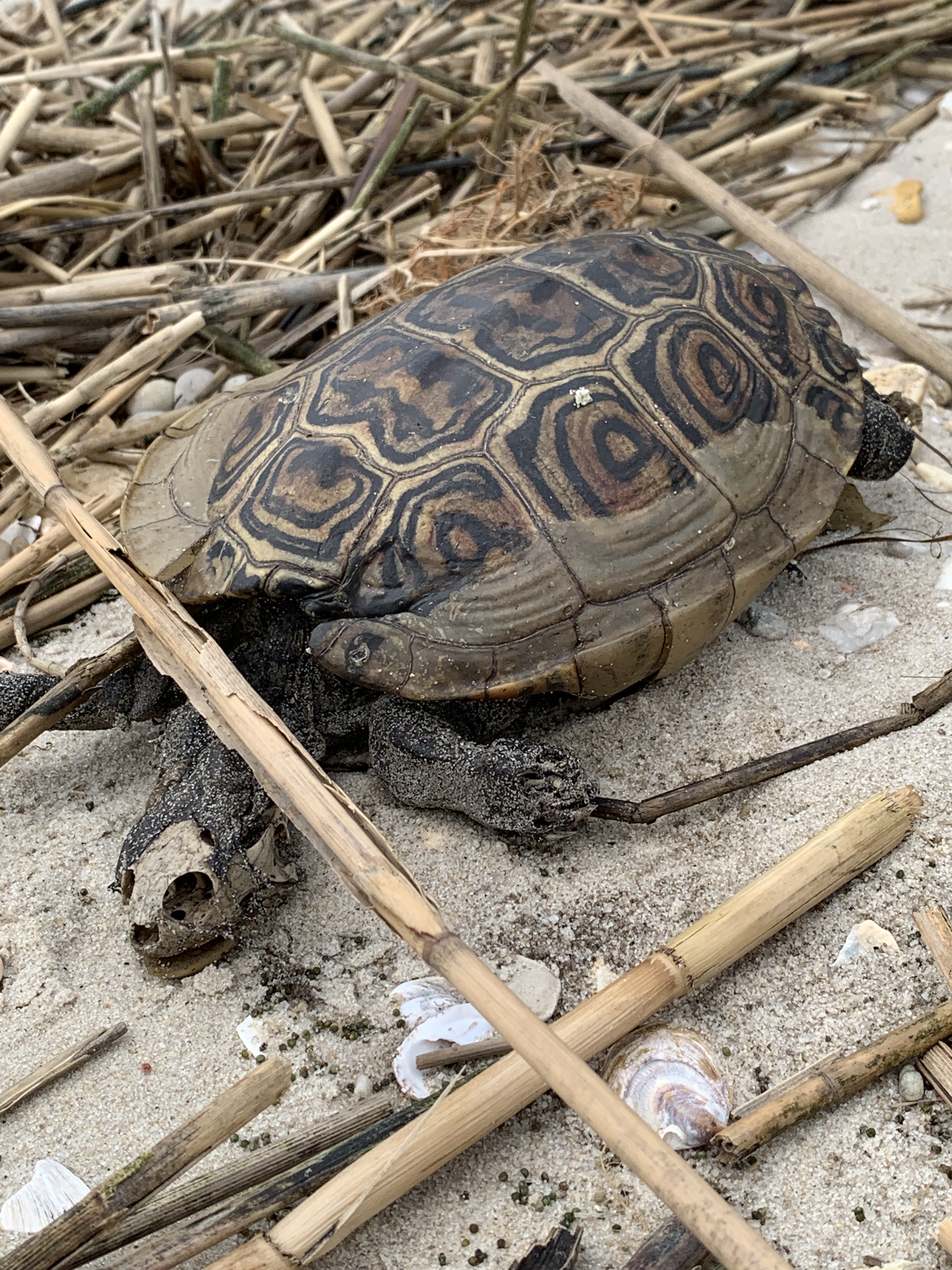
Dead diamondback terrapin on beach.
One of many diamondback terrapins (Malaclemys terrapin) found during walks. These turtles live in brackish water and often are trapped in the crab pots (traps) of recreational and commercial crabbers. The turtles drown in the traps and often wash up on the beach after being thrown back in the water. NJ DEP collects data on the number of terrapins found on walks, but it isn’t clear what happens with the data.
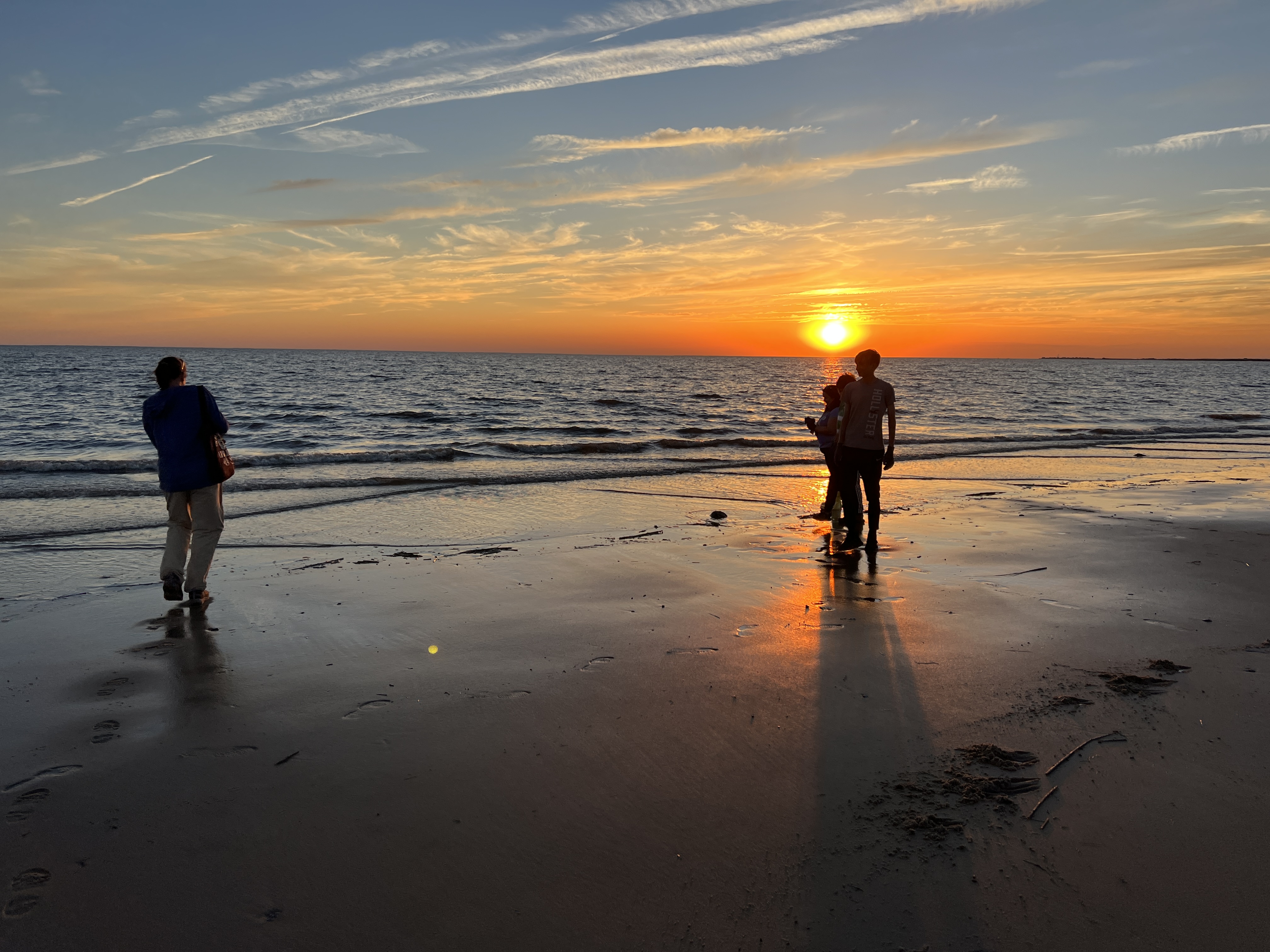
People on beach at dusk.
Volunteers on the Fortescue beach at dusk.
Blog at WordPress.com.
  • Subscribe Subscribed
    • Tilia Baratta | Illustration
    • Already have a WordPress.com account? Log in now.
    • Tilia Baratta | Illustration
    • Subscribe Subscribed
    • Sign up
    • Log in
    • Copy shortlink
    • Report this content
    • View post in Reader
    • Manage subscriptions
    • Collapse this bar
 

Loading Comments...